

Convergence Insufficiency
Convergence Insufficiency is a common visual dysfunction that can significantly impact reading, learning, and other close-up tasks. To read efficiently, both eyes must turn inward (converge) and move together accurately from word to word and line to line while maintaining a single, clear image. When someone has Convergence Insufficiency, the eyes struggle to work together at near distances, causing the visual system to exert excessive effort just to keep words clear and single.
As reading demands increase, this extra effort can lead to symptoms such as headaches, eye strain, blurred or double vision, loss of place while reading, skipping lines, poor reading comprehension, and fatigue. Activities that require frequent shifts between near and far, such as taking notes from a classroom board or computer screen, can be especially challenging because the eyes must constantly refocus and realign.
Many children and adults with Convergence Insufficiency avoid reading, have difficulty sustaining attention during near work, or feel exhausted after completing homework—not because they lack intelligence or motivation, but because their visual system is working much harder than it should. With the right diagnosis and a personalized vision therapy program, the eyes can learn to work together more efficiently, making reading and learning more comfortable, accurate, and enjoyable.

Did you know?
5-10% of students have not properly developed the ability to comfortably aim their eyes inward to focus on the page in front of them
(That’s 2-3 students in every classroom!)
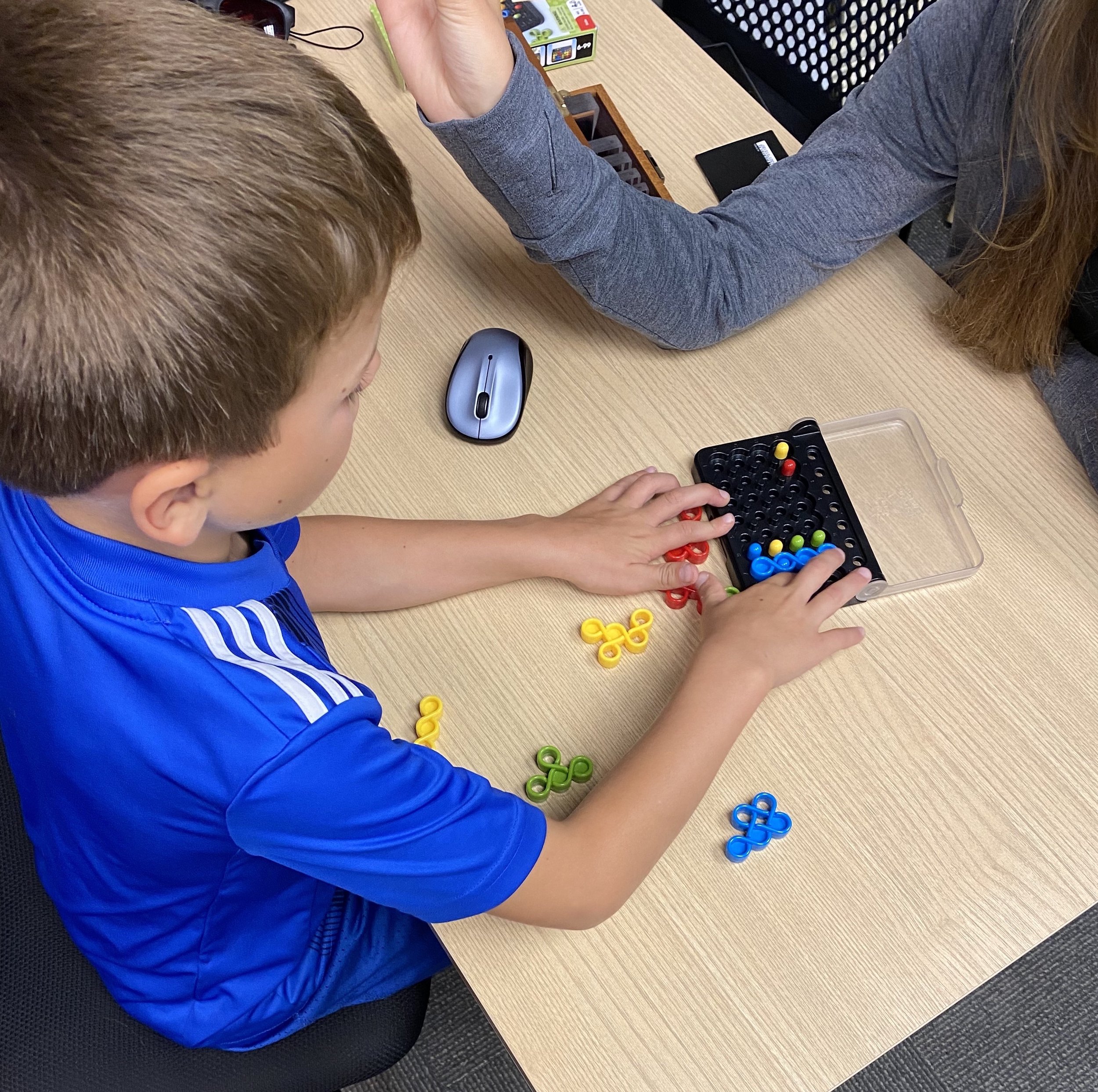
Common symptoms often shown with Convergence Insufficiency:
Double vision while reading
Headaches and eyestrain with reading
Fatigue, irritability, sleepiness with near work
Shorter attention span toward reading and homework
Decreased performance in reading speed, comprehension, and fluency
Difficulty taking notes in class
Excessive time required to complete assignments and reading

Learn More
Concerned these symptoms sound like you or your child? Watch this video to learn a simple test you can do at home to check for signs.