NeuroLab at EagleEye
A Movement-Based
Visual Learning
Homeschool Co-Op
NeuroLab complements
your child’s education by strengthening the foundations that support learning.
NeuroLab is a 6-week structured small-group program designed to strengthen:
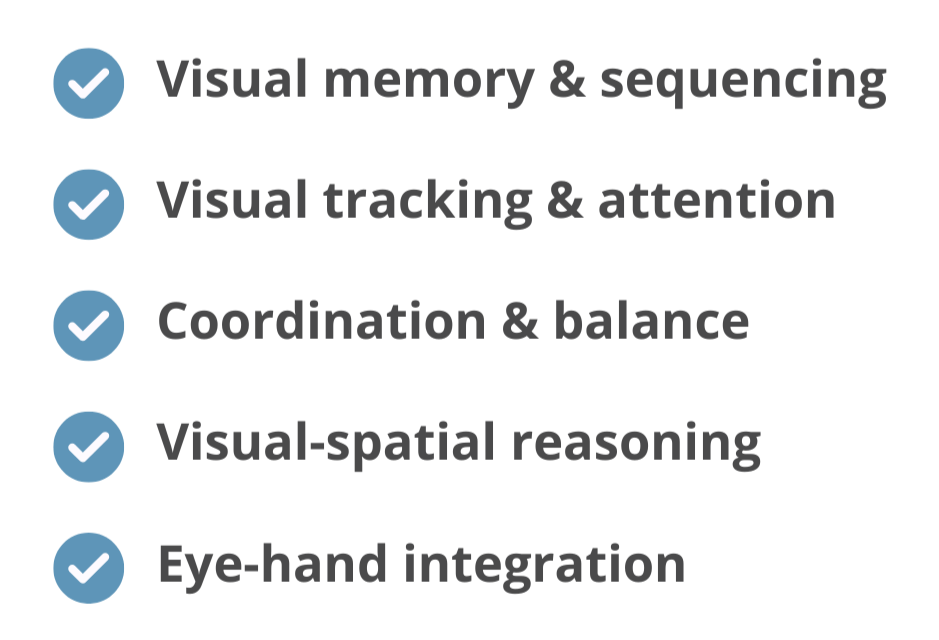
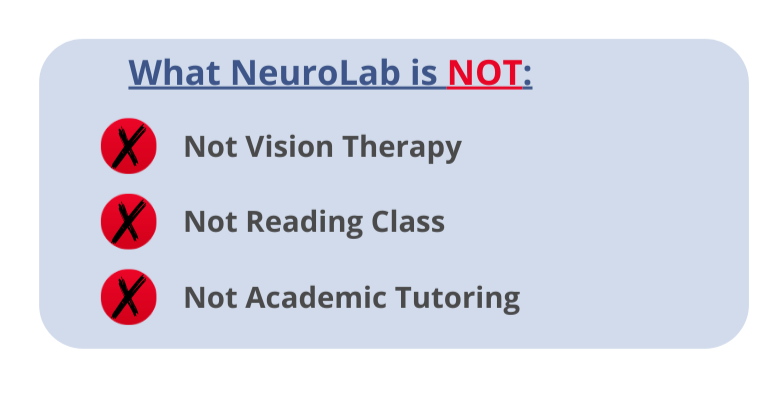
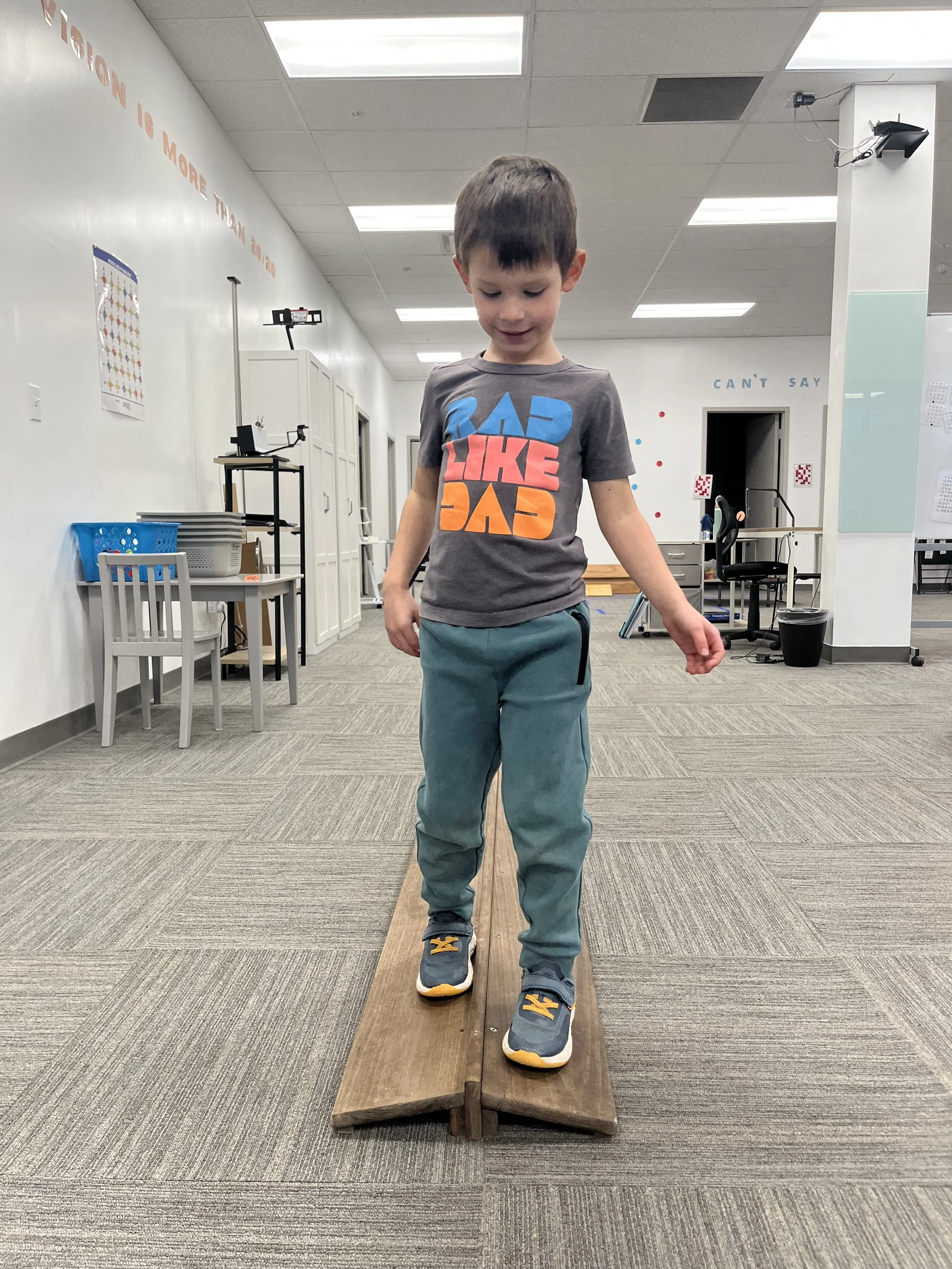
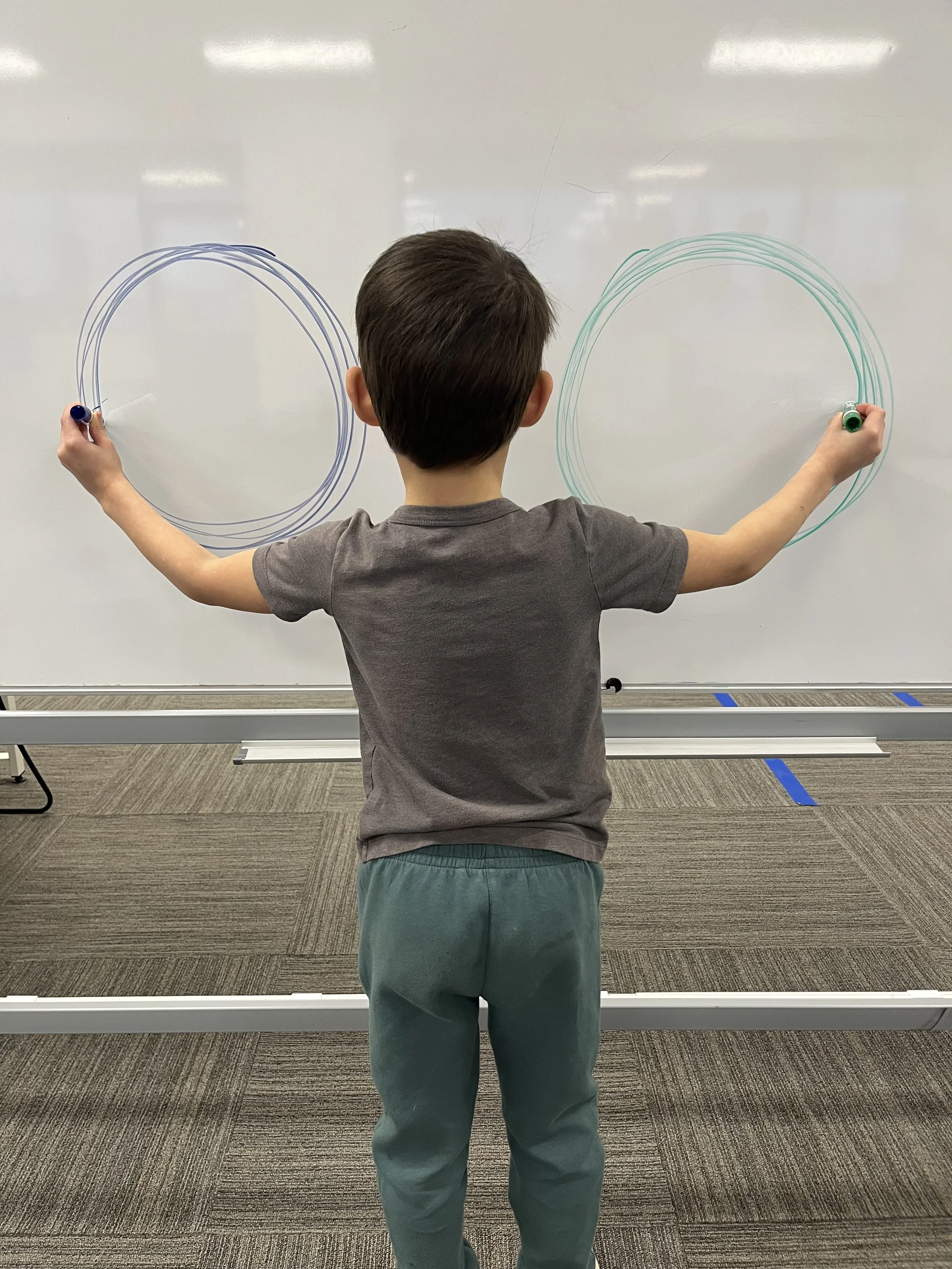
Each session is active, hands-on, and intentionally designed to challenge children just beyond their comfort zone in a supportive group setting. Our goal is not to “fix” anything.
Our goal is to provide experiences that help children become more organized, more coordinated, and more confident learners. It can stand alone or complement other enrichment activities such as music, sports, or co-ops.
NeuroLab is designed to:
Provide peer interaction
Offer structured physical learning
Support whole-child development
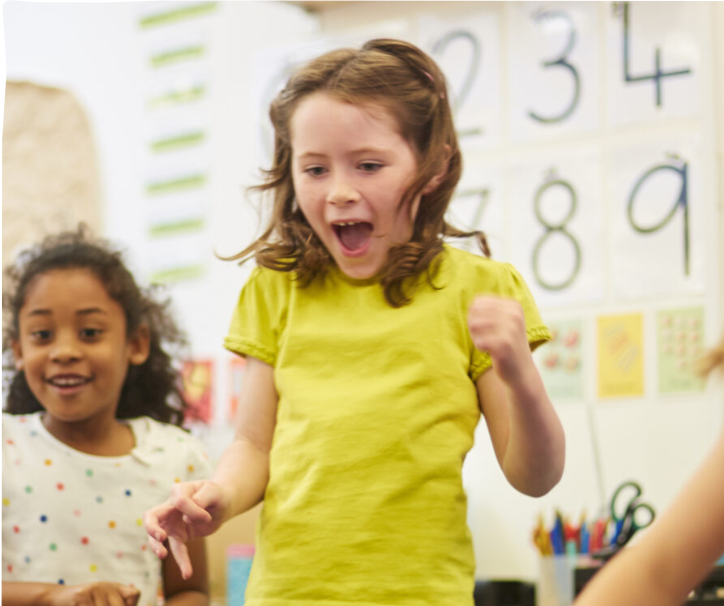
Develop. Grow. Enhance.
Upcoming opportunities for NeuroLab:
November 3rd - December 8th
February 2nd - March 9th
March 23rd - April 27th
Fee: $240 due up front to
reserve your spot =$40 per session
AGES 6-10
Sign up for one or multiple sessions!
These programs are designed to have variation where kids can participate year round.
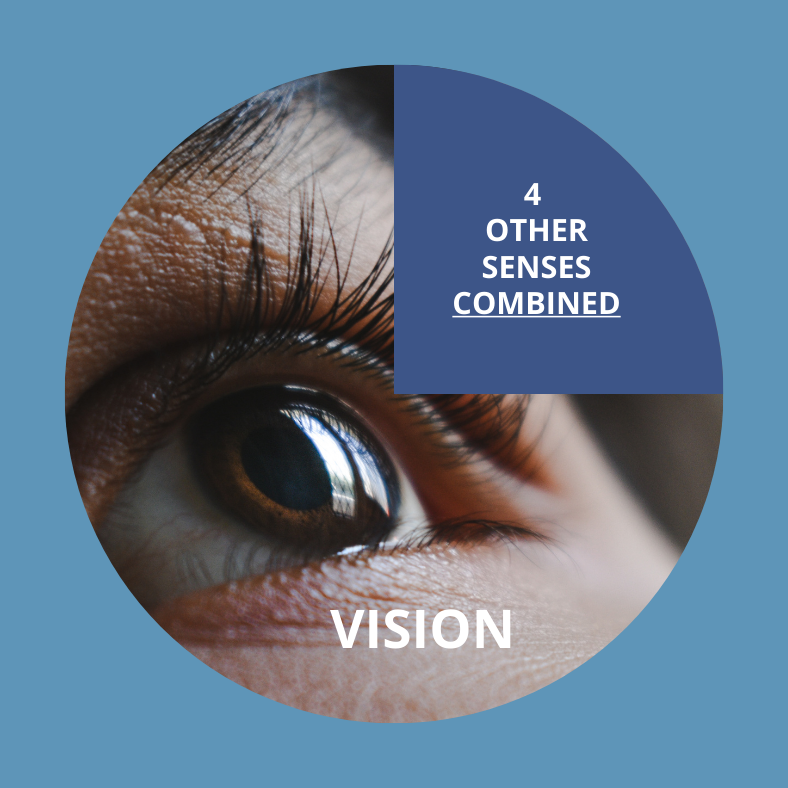
of EVERYTHING
we learn in life
comes through
our VISION
80%
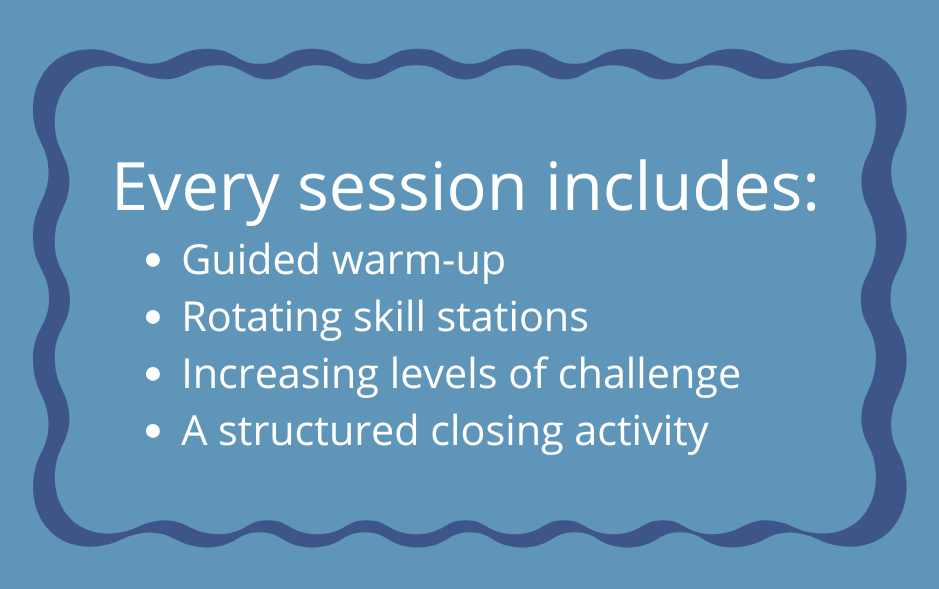
Skills build week by week.
Children are encouraged to set small goals and reflect on progress in ways that feel motivating and age appropriate.
By the end of six weeks, many families notice their child approaching learning tasks with improved organization, coordination, and confidence.
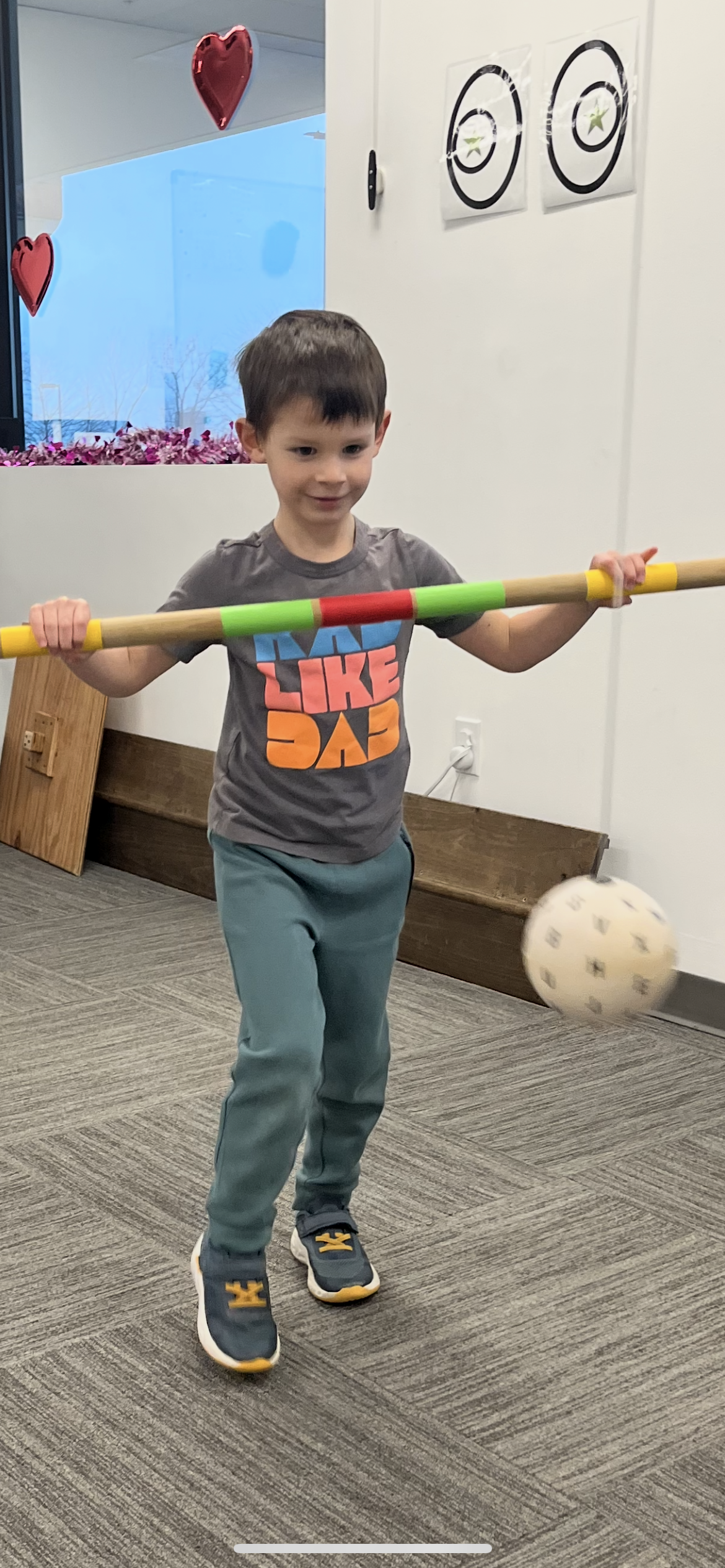
What will my child be doing at NeuroLab?
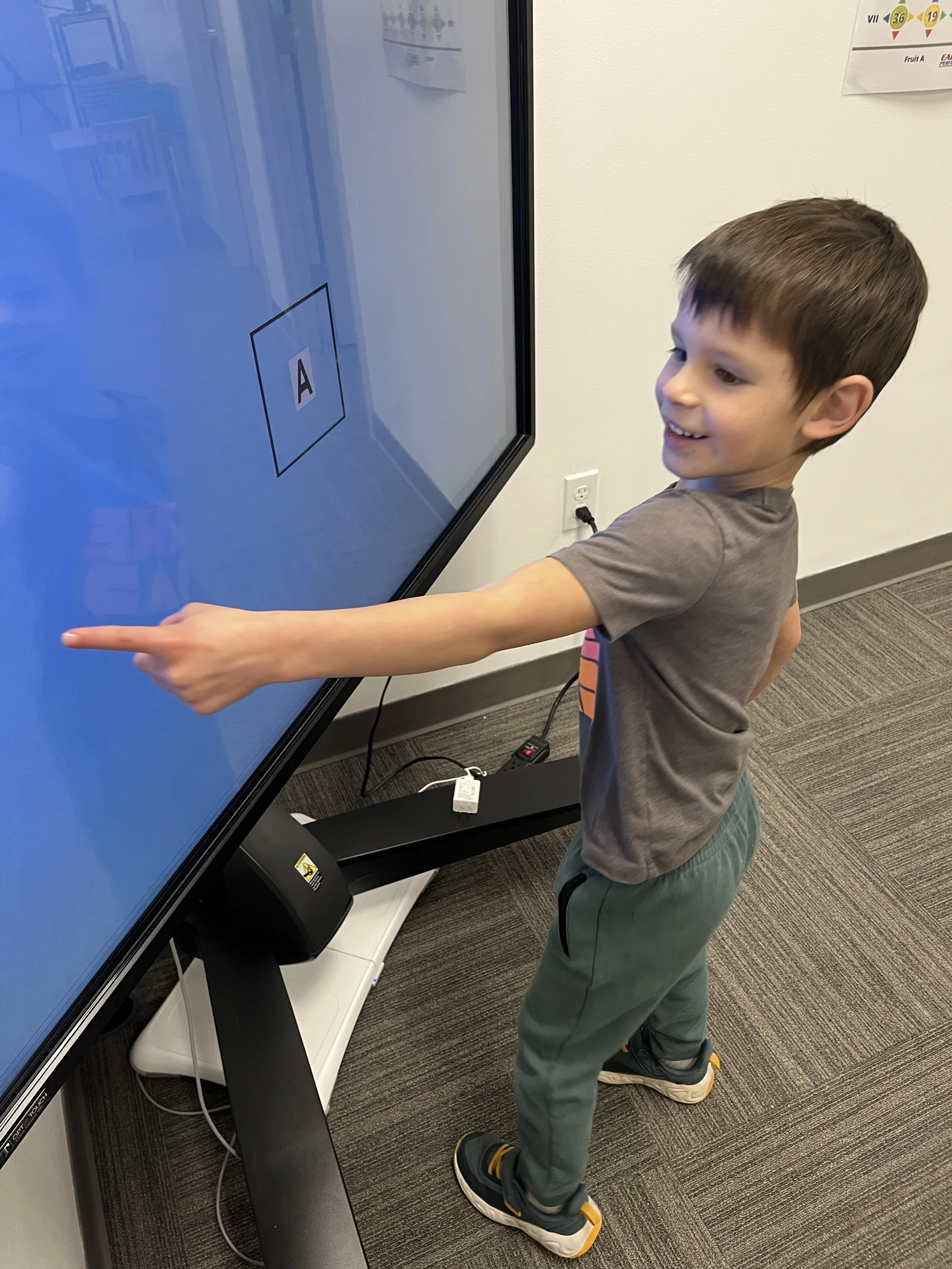
During each session, children rotate through structured movement stations that may include:
Catching and throwing drills (one-handed, two-handed, cross-body)
Balance boards, balance beams, and stability challenges
Tracking moving targets in different directions
Peripheral awareness reaction games
Pattern-building with blocks and visual models
Attribute block sorting and rule-switching activities
Visual memory challenges and sequencing games
Fast processing and recognition tasks
Rhythm and timing activities
Partner-based cooperative challenges
Spatial reasoning puzzles
Midline-crossing movement games
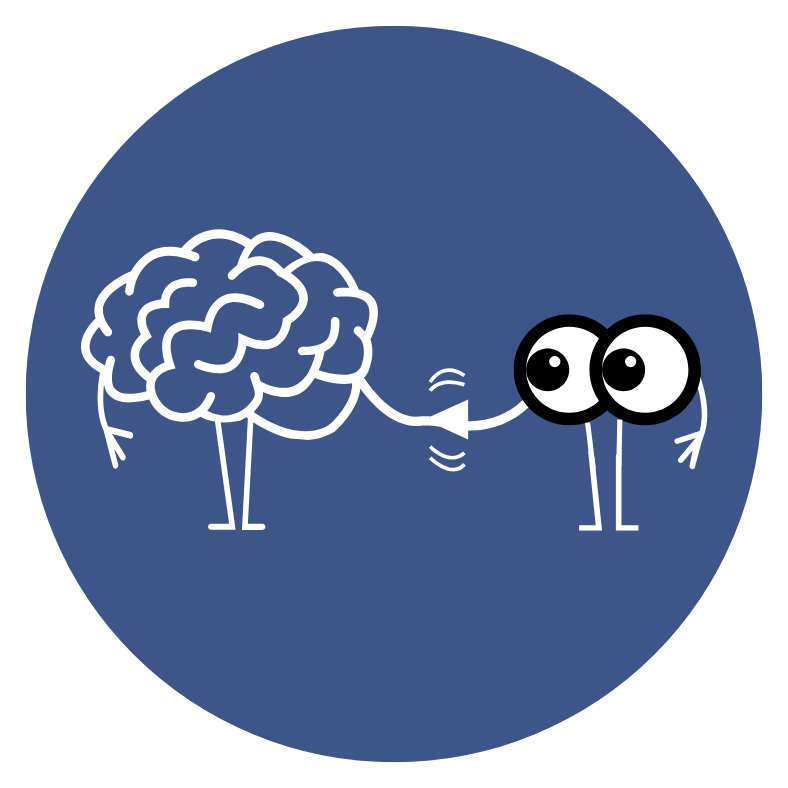
Movement --> Perception --> Thinking
Movement --> Perception --> Thinking
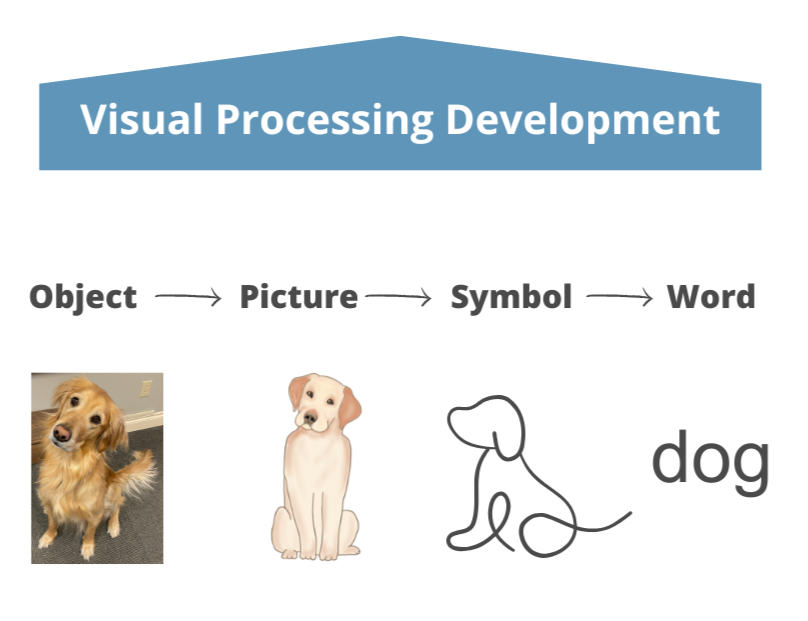
The Visual Component: Why It Matters
Vision is more than eyesight.
It includes how the eyes coordinate, how visual information is processed, and how it integrates with the body and brain.
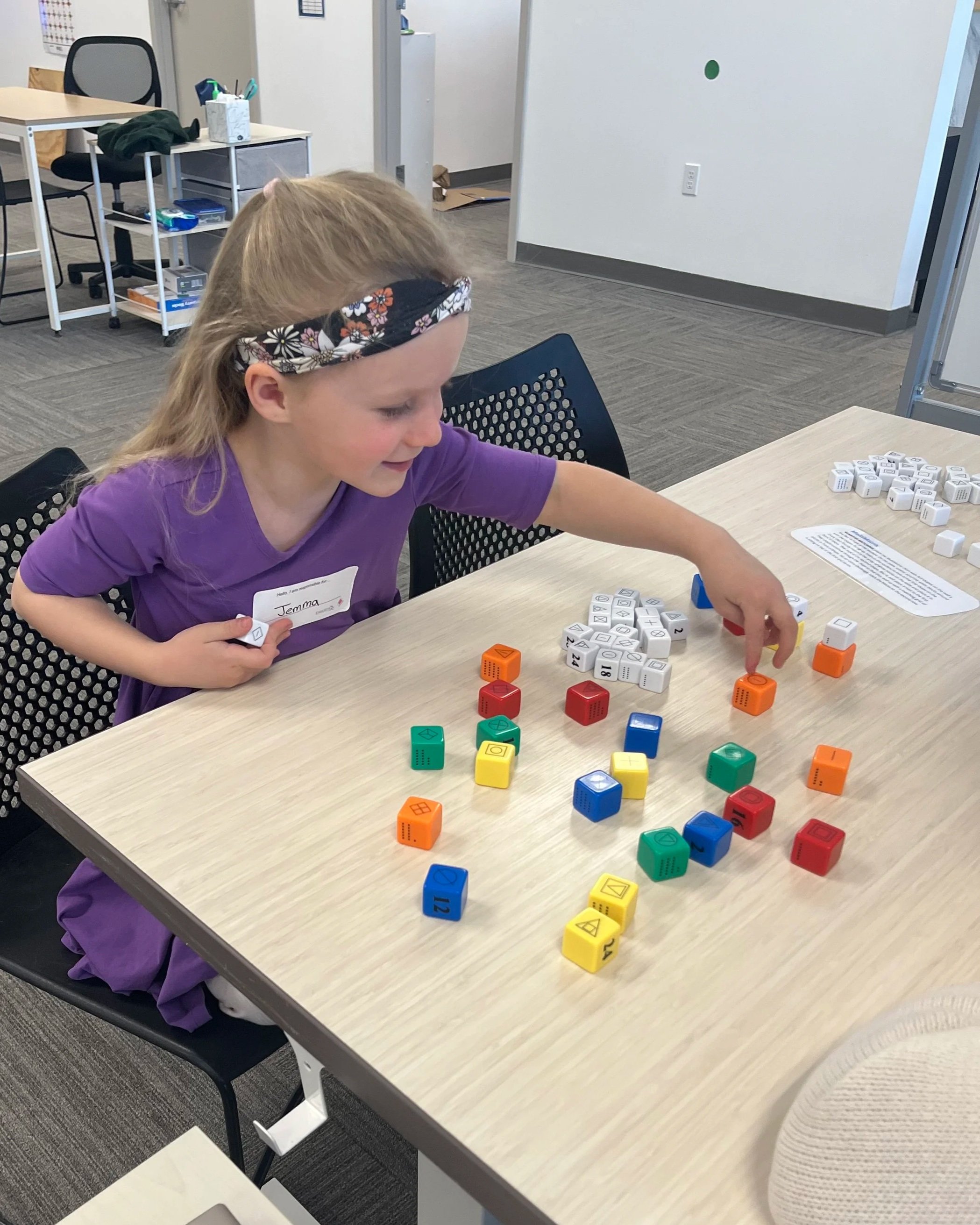
NeuroLab intentionally integrates
visual development into every station.
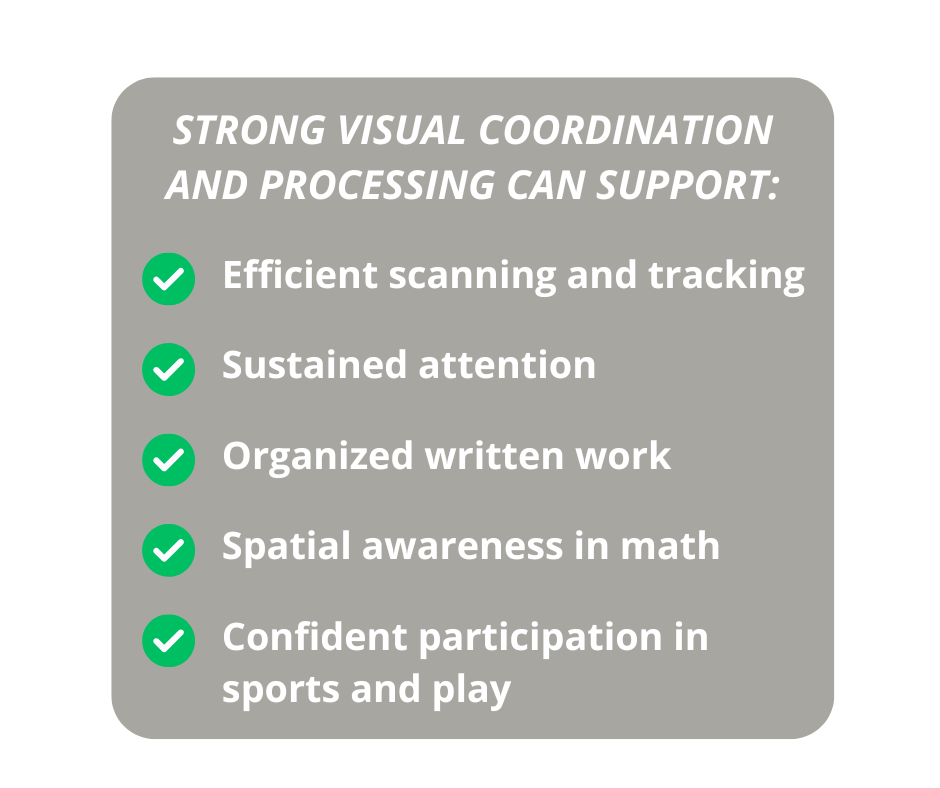
Children practice coordinating their eyes and body, processing information under movement, and visualizing
patterns and sequences.
These are skills that can carry over into your child’s education, from copying notes to solving math problems without NeuroLab directly teaching academic content.
A Thoughtful, Intentional Environment
At EagleEye Performance Vision, we have spent years studying visual development and how children learn best. NeuroLab reflects that experience, adapted into a non-clinical, enrichment-based format. Our instructors guide, observe, and challenge, but children remain active participants in their own development.
Learning happens through movement.
Confidence grows through mastery.
Skills develop through practice.
Modeled After Piaget’s Philosophy of Learning
NeuroLab is inspired by the developmental work of Jean Piaget, who observed that children build intelligence through active interaction with their environment. In simple terms, Piaget’s approach suggests:
Children learn best by doing, not just being told
Movement and perception support higher thinking
Problem-solving develops through exploration
Readiness matters more than rushing academics
NeuroLab brings this philosophy into a modern, movement-based setting. Children are not sitting at desks or completing worksheets. They are moving, observing, adapting, and thinking.